
Uncovering the Power of Hazmat Biohazard Suits: Understanding Your Protective Wear Options
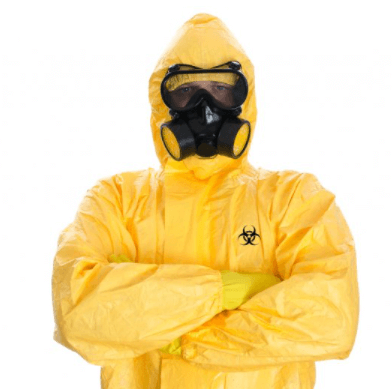
A hazmat biohazard suit protects people who work near dangerous substances. That may mean chemical splash, airborne particles, contaminated fluids, toxic residue, or biological material that needs serious control. The suit creates a barrier between the worker and the hazard. Different jobs call for different suit builds. A hazmat suit used around industrial chemicals has different needs than a suit built for biological protection. Some applications need splash resistance. Others need sealed seams, attached gloves, fitted boots, a hood, or a face opening that works with a respirator. Vinyl Technology can help manufacture hazmat suit components and protective gear that fit the material, risk level, & real working conditions.
A good suit starts with the hazard. That is the first question every time. What is the wearer facing? Liquid exposure, vapor, dust, bloodborne material, corrosive chemicals, or radioactive contamination all change the construction choices. The fabric, seam style, closure system, glove connection, and hood design all need to match the job. Sounds like a lot for one suit, and it can be.
Vinyl Technology works with materials like coated fabrics and non-porous synthetic barriers that help limit exposure. For certain projects, welded seams can create a stronger barrier than stitched seams because the material bonds together instead of relying on thread.
Start A Project Request A Quote
What is a Hazmat Biohazard Suit and How Does it Help?
A hazmat biohazard suit is protective clothing made for people who may contact hazardous materials. The suit can cover the body, hands, feet, head, and face area depending on the level of protection required. Many suits include a coverall, gloves, boots, hood, face shield, respirator connection, or other sealed parts.
The goal is simple: keep harmful material away from the wearer. Chemicals can burn skin. Biological agents can contaminate clothing or equipment. Industrial waste can carry residue that workers should avoid taking home on their sleeves. A hazmat biohazard suit helps create that needed separation.
The best suit design depends on the worksite. A cleanup crew may need mobility and chemical splash protection. A healthcare or lab team may need biological barrier protection with a cleaner closure system. A manufacturing crew may need a suit that can handle repeated movement, bending, kneeling, reaching, & equipment use. Little details turn into big ones once someone wears the suit for a full shift.
Vinyl Technology is a hazmat suit supplier with custom manufacturing experience for protective products. For companies that need a hazmat biohazard suit made for a specific application, the best starting point is the hazard itself, then the material, then the seal.
A Breakdown of the Different Types of Hazmat Suits
Hazmat biohazard suits are a crucial part of any potential hazardous material situation. Depending on the severity of the hazardous material, different levels of protection are available from a hazmat suit supplier. Generally speaking, there are four main categories: Level A, B, C, and D. Each level offers a different degree of protection depending on the type of hazardous material being dealt with.
Overall, full-body hazmat suits play an important role in protecting those who may come into contact with hazardous materials in their line of work or during emergencies. Regardless of which type you choose to use, from radioactive suits to nuclear hazmat biohazard suits, they can help keep you safe while dealing with dangerous substances and should always be used when working in potentially hazardous environments.
Level A Hazmat Suits
Level A hazmat suits (sometimes referred to as Type A Hazmat suits) are the highest level of personal protective equipment (PPE) available and are designed to provide complete protection against hazardous materials. These suits are made up of a two-piece suit – a jacket and trousers – as well as an integrated hood, boots, and gloves.
The suit is impermeable to gases, liquids, and solid particles, making it perfect for use in the most hazardous environments. The materials used in the construction of these suits are typically flame-resistant fabrics such as Nomex or Kevlar. Level A hazmat suits are used by those working with hazardous chemicals in industrial settings, medical personnel treating patients exposed to dangerous chemicals or biological agents, and first responders at natural disaster areas affected by hazardous materials like oil spills and nuclear accidents.
In addition to providing complete protection against hazardous materials, Level A hazmat suits also protect against bodily fluids like blood and virus-carrying aerosols that may be present at crime scenes or during medical treatment.
Despite their many advantages, these suits can be hot and uncomfortable to wear for long periods of time due to their tight fit and heavy fabric construction. For this reason, it’s important to ensure that workers wearing them have access to breaks where they can remove the suit so they can cool off and rest.
Level B Hazmat Suits
Level B hazmat suits are typically used by medical professionals, firefighters, chemical handlers, and industrial workers who are exposed to hazardous materials regularly. For example, a doctor may use a Level B hazardous materials suit when treating patients with infectious or airborne diseases.
As a hazmat suit supplier, Vinyl Technology knows that firefighters may use these suits to protect themselves from dangerous chemicals or other hazards present during firefighting operations. Chemical handlers may also wear Level B hazmat suits while mixing or transferring potentially hazardous substances. Industrial workers often use Level B hazmat biohazard suits as well because they can protect them from toxins and dust particles that can be released during manufacturing processes.
Level C Hazmat Suits
Level C Hazmat suits are the most common type of protective apparel used in hazardous material operations. Level C hazmat suits provide a minimum amount of protection against these hazards.
The suit is typically made from multiple layers of fabric, often including fire-resistant material, which is then sealed with a barrier layer for additional protection. The suit also includes gloves, boots, and an airtight hood or full face mask with an integrated filter system that allows the user to breathe safely in contaminated environments.
Level C hazmat suits are used primarily by hazardous materials responders, such as firefighters and emergency medical technicians who specialize in dealing with chemical spills or other hazardous incidents. These responders may use Level C hazmat suits when responding to chemical fires or suspected biological threats. Hazmat responders may also use Level C suits when working within a confined space or performing decontamination procedures on hazardous materials at a scene.
Level D Hazmat Suits: Who Would Use This?
This type of hazmat suit offers the least protection. It generally consists of a chemical-resistant one-piece garment, an air-purifying respirator (APR) to filter particles from the air, and safety goggles. This type of suit is typically used for minor spills and cleanup operations. It’s also frequently seen as a uniform-style suit worn in day-to-day operations that might benefit from a small amount of protection.
Level D hazmat suits are most commonly used by workers who may be exposed to hazardous substances in the course of their jobs. This includes workers involved in cleaning up minor spills, handling hazardous waste, and performing other activities that could pose a risk to the safety of personnel. In general, Level D suits are often worn in industries such as construction, mining, oil and gas, and manufacturing.
What are the different Emergency Response Levels?
In addition to regular, predictable exposure to hazardous materials in fields like medicine and industrial waste, hazmat biohazard suits are also used in emergencies. Every type of emergency has a response level, a classification used to determine the scale of an emergency situation.
It is a way for emergency personnel to communicate the type and severity of an incident so that appropriate resources, like hazmat suits, can be deployed. There are several levels of response, ranging from Level 1 (smallest) to Level 5 (largest).
Level 1 is a general call-out for small incidents such as medical aid, false alarms, and vehicle accidents. This is considered the lowest level of response and requires minimal resources, such as two or three ambulances or police cars.
Level 2 represents more serious situations in need of additional staff and vehicles. These could include fires, hazardous material spills, civil disturbances, or rescue operations at height or in confined spaces. The number of personnel responding to this level depends on the nature and size of the incident, but can range from six to twelve people with three or four vehicles.
The highest two levels of response involve large-scale emergencies such as natural disasters, major industrial accidents, weapons of mass destruction threats, and catastrophic incidents requiring multiple agencies from different jurisdictions.
Finally, Level 5 is reserved for catastrophic events requiring massive resources from many different agencies within a wide geographic area. This type of situation may require hundreds of responders utilizing many specialized assets such as helicopters, ships, and military assets. As these types of incidents are rare but have the potential to cause massive destruction and loss of life, they must be prepared for with careful preplanning backed by considerable resources.
Looking For Where to Get a Hazmat Suit? Vinyl Technology Is Your Hazmat Suit Supplier
In 1984, Vinyl Technology was hand-picked to manufacture the famous DPE (demilitarization protection ensemble), an early and revolutionary development in hazmat suit technology.
In the mid-1990s, the United States launched a chemical demilitarization mission to rid its stockpiles of dangerous weapons. As such, there was an urgent need for a reliable contractor with an established track record in providing high-quality services who could manufacture and supply custom-made single-use protective nuclear biohazard hazmat suits that were air-tight and resistant to hazardous chemicals.
The success of this mission relied upon finding the right partner, one whose products would guarantee safety for those involved by keeping them secure from any potential risks posed by their environment.
Now that you know about the levels available, you’re probably wondering where to get a hazmat suit. Check out our hazmat suit product page for more information. Vinyl Technology has hazmat suits for sale. Reach out below.
Vinyl Technology also specializes in creating other products, such as anti-G suits, self-inflating field mattresses, or chair cushions.
All of our products are rigorously tested for compliance with standards set by relevant government agencies as well as industry groups like NFPA and ASTM International. Vinyl Technology Inc. is a Berry-Compliant trusted co-manufacturing partner for those who need durable protective garments that will stand up to any challenge.

Article Reviewed For Accuracy By: Jackie Sanchez, VP of Sales Operations
Jackie Sanchez is the VP of Sales Operations at Vinyl Technology.
Jackie became a VP in 2021 following over four years of service as our Director of Human Resources. Her leadership competencies include human resources capacity, ethical conduct, strategic thinking, decision making, and financial management.
She holds an undergraduate degree from Chapman University. Follow her on LinkedIn.