
A Buyer’s Guide To Purchasing Anti-G Suits
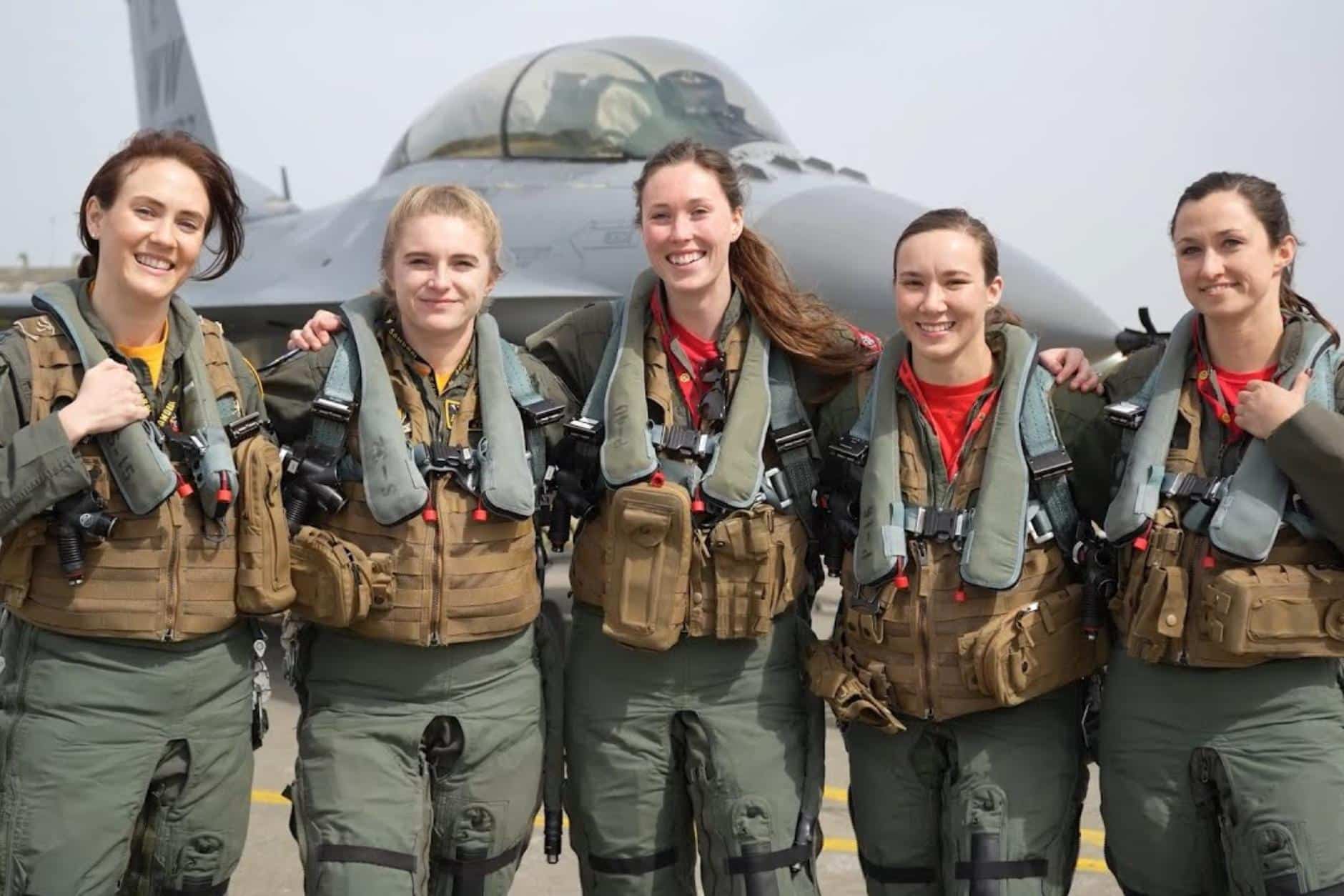
At 9 Gs, a pilot’s body needs help doing what it can’t do on its own. The suit has to pressurize at the right moment and hold firm. The pilot needs to stay alert in the aircraft. That puts a lot of weight on the people who build and manufacture the anti-G suits.
When first looking at it, an anti-G suit can look a little odd. To someone outside the industry, it may seem like a pair of heavy flight trousers with extra plumbing. The real work lives in the construction. The suit has to fit close to the body. It has to inflate quickly and hold pressure, and connect cleanly to the aircraft’s life-support system. Seams have to stay sealed. Hoses need to keep their shape under stress. Materials have to deal with heat, pressure, and hard use.
Anti-G suit pricing depends on more than fabric and labor. Material selection affects cost. So does the way each bladder, seam, connector, and panel comes together. Testing adds another layer, since the finished suit has to prove it can do the job before it ever gets near a cockpit. Let’s look at what goes into building an anti-G suit, why the manufacturing process needs to be precise, and how quality checks affect the final cost.
Start a Project Request A Quote
Table of Contents
- Introduction
- The Core Function of an Anti-G Suit
- Military vs. Civilian Suits: A Manufacturing Perspective
- Key Components of an Anti-G Suit That Drive Performance & Price
- Bringing It All Together
What is the Core Function of an Anti-G Suit?
At high speeds, fighter pilots can face forces that push blood down into the legs and away from the brain. That causes tunnel vision, blackout, or, in worst cases, G-LOC, a loss of consciousness from G-forces. The anti-G suit applies pressure to the lower body to keep blood where it needs to be.
From a manufacturing perspective, the real work happens inside the fabric. Inflatable bladders line the suit, especially around the thighs, abdomen, and calves. You can’t buy these off the shelf. They’re precision-made chambers built from RF-welded materials like urethane-coated nylon. The welds have to hold air under pressure and maintain flexibility through thousands of cycles. Placement matters too. Each bladder must match up with muscle groups and arteries that are prone to blood pooling.
The suit connects directly to the aircraft’s pneumatic system. That’s where the hose and connector assembly comes in. This isn’t a one-size-fits-anything setup. The hose must deliver just the right pressure at the right time, and the connectors have to latch fast without leaks. Tolerances are tight. A poorly fitted connector or kinked line can knock the whole system offline. A good manufacturer builds to exact dimensions and tests every connection point before it leaves the floor.
Military vs. Civilian Suits: A Manufacturing Perspective
Military-grade anti-G suits like the CSU-13B/P follow strict rules from start to finish. Every part, from fabric to zipper, has to meet a specification. Civilian aerobatic suits serve the same purpose — to counteract high-G forces — but the manufacturing approach can differ.
Material choice is one of the biggest differences. Military suits often use fire-resistant fabrics like Nomex, which hold up against flash fires and high heat. That adds to the anti-G suit manufacturer’s cost. Not just for the fabric itself, but for the handling. Sewing Nomex isn’t like working with standard textiles. It wears out needles faster, requires specialized thread, and demands tighter control on stitching. Some civilian suits use lighter or more flexible materials that still support pressure, but they don’t always need to meet fire-resistance specs. That opens up different design options.
Construction standards also split the two. Military suits have to pass testing outlined in documents like MIL-DTL-83406. Stitch count, seam width, strength thresholds…they all get measured. Testing isn’t optional. Every batch must prove compliance. That slows production and adds inspection layers. Civilian suits usually don’t carry the same formal certification requirements. Still, they can’t skip safety.
G-forces don’t care whether the pilot is in combat or pulling maneuvers in a competition. The bladders have to hold, the connectors can’t leak, and the suit has to function under pressure. The difference is that civilian projects often allow faster prototyping, alternate materials, and looser tolerances, depending on the buyer’s needs.
What are the Key Components of an Anti-G Suit That Drive Price & Performance?
An anti-G suit price starts to make sense once the components are broken down. Every part has a job. Every process has a purpose. There’s no room for decorative extras. Every stitch and weld exists to keep the wearer conscious and alive.
The bladder system is the most critical feature. These internal chambers apply pressure to the body under high-G loads. Most are built from polyurethane-coated nylon, which balances flexibility, strength, and airtightness. The seams are RF-welded. That means radio frequency energy bonds the materials at a molecular level. The welds must hold firm under pressure and cycle repeatedly without failure. A single flaw here is unacceptable.
The outer shell protects the bladder system and holds the suit’s shape during inflation. High-strength thread — often polyester or Kevlar — is used to resist fraying and breakdown under stress. Stitch patterns get planned based on the pull zones of the suit. Reinforcement areas around the thighs, abdomen, and knees add strength without adding bulk. These seams see motion, pressure, and heat all at once.
Then there’s the hardware. Zippers need to hold under strain without binding. Lacing systems must stay tight but still allow quick release. Connectors have to be machined to exact specs so they don’t leak under pressure. Most of these components are mil-spec, and they aren’t cheap. Reliable sources for this hardware aren’t always easy to find. Shortcuts here lead to catastrophic failure down the line.
Each of these parts affects the final anti-G suit manufacturing price. Quality isn’t a feature. It’s the only option.
How Much Does an Anti-G Suit Cost to Manufacture and Process?
Building an anti-G suit is a chain of tightly controlled processes, from sourcing heat-resistant fabrics and bladder materials, to welding seams with pinpoint RF energy, to stitching with high-tensile threads, to inspecting every component before it ever sees a cockpit. Each stage demands accuracy, repeatability, and the right tools for the job. Nothing gets left to chance.
At Vinyl Technology, we’ve spent over 40 years working with aerospace, defense, and medical organizations that require this level of performance. Our experience with RF-welded film and commercial sewing services covers both high-volume orders and one-off technical builds. We understand how to take a set of specifications and translate it into a safe, functioning product, no matter how complex.
We are not a retailer. We do not sell anti-G suits. If you’re looking for anti-G suit prices, we are a custom sewing contractor who builds them for the organizations that need them made right. If your team needs a custom textile solution — a pressure garment, inflatable bladder assembly, or something entirely new — we can help you design, manufacture, and deliver it with confidence.
Contact Vinyl Technology to discuss your requirements and anti-G suit prices. We’re ready to manufacture the components that others rely on when failure isn’t an option.

Article Reviewed For Accuracy By: Jackie Sanchez, VP of Sales Operations
Jackie Sanchez is the VP of Sales Operations at Vinyl Technology.
Jackie became a VP in 2021 following over four years of service as our Director of Human Resources. Her leadership competencies include human resources capacity, ethical conduct, strategic thinking, decision making, and financial management.
She holds an undergraduate degree from Chapman University. Follow her on LinkedIn.