
The Manufacturing Choices That Extend the Working Life of Heavy-Duty Industrial Covers
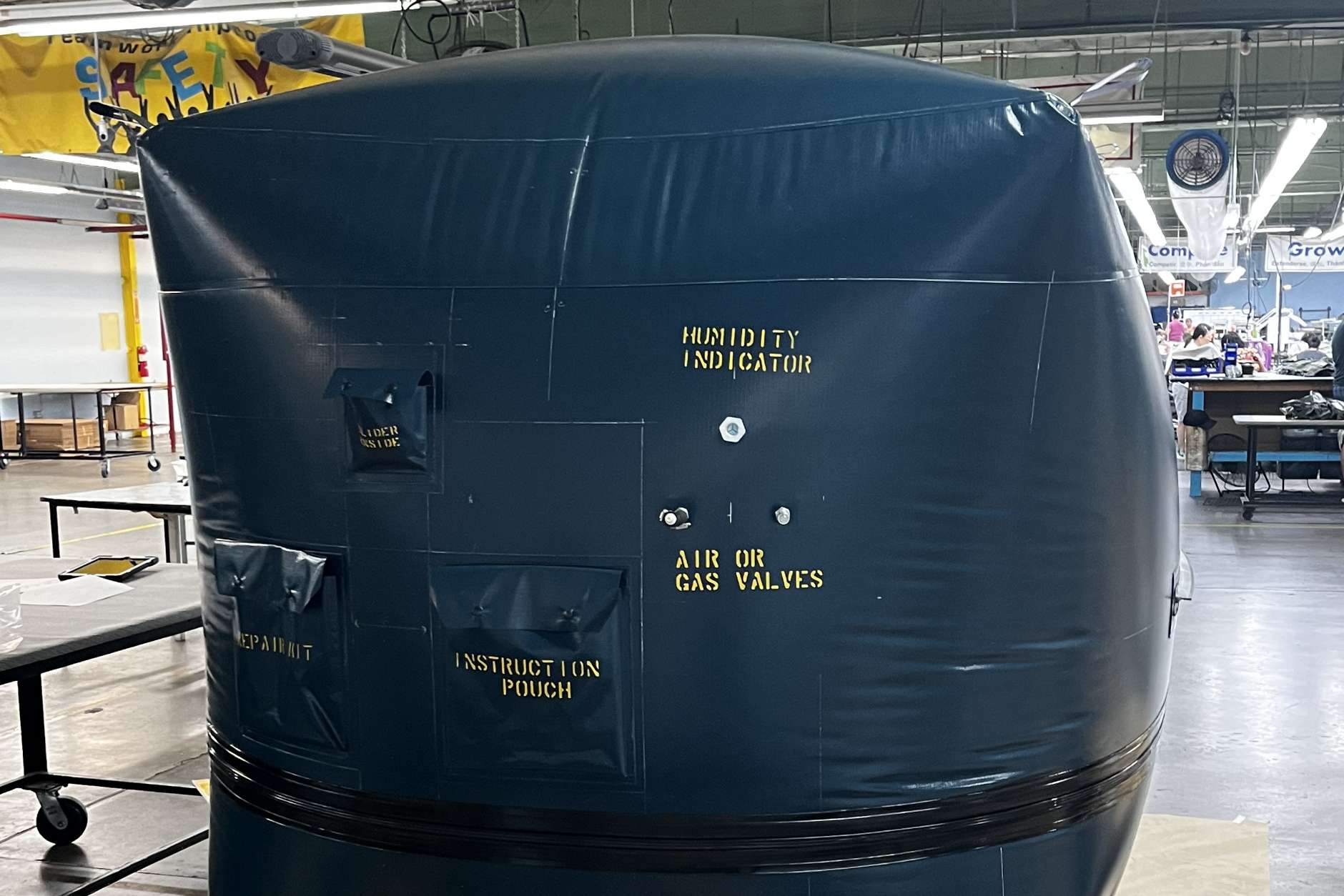
Table of Contents
- Introduction
- What Makes an Industrial Cover “Heavy-Duty”?
- How Does Material Selection Affect the Lifespan of Industrial Covers?
- Why Does RF Welding Outperform Stitched or Glued Seams on Industrial Covers?
- What Role Does Custom Fit Play in Cover Durability?
- How Do Environmental Control Features Extend a Cover’s Protective Life?
- What Manufacturing Standards Should Buyers Look for in an Industrial Cover Supplier?
- Build Your Custom Industrial Covers With Vinyl Technology
- Key Takeaways
When a cover fails after just one season, it doesn’t save anyone money. It costs a facility a repair bill or a voided warranty. Heavy-duty industrial covers earn their price through a handful of manufacturing choices most buyers never think to ask about: material weight, seam construction, fit precision and humidity control. Fine-tune those elements and a cover lasts years. However, if you get them wrong, it may need to be replaced by the spring.
What Makes an Industrial Cover “Heavy-Duty”?
A heavy-duty industrial cover protects machinery, equipment, or sensitive materials from dust, moisture, abrasion, and temperature extremes during storage, shipping, or field use. That’s a highly specialized job compared to a tarp you can pick up at a hardware store. A generic tarp blocks rain for a weekend, but an industrial cover holds up through months of exposure and repeated handling, plus whatever chemical residue lives on a warehouse floor.
Custom industrial vinyl covers, liners, bags and protective enclosures are built to exact specifications. That precision separates a heavy-duty cover from a generic one.
How Does Material Selection Affect the Lifespan of Industrial Covers?
Reinforced materials resist industry hazards such as abrasion, temperature extremes and chemical exposure. These stressors wear down an inexpensive cover the fastest. A cover that shields sensitive electronics needs different properties than one that shields a diesel engine block outside a job site. Material selection includes several choices: gauge thickness, coating type, UV stabilizers and seam compatibility.
Match the material to the application. A cover over precision optics calls for a smoother, lower-abrasion film. A cover over rebar or scrap metal calls for something closer to armor. The same product line rarely does both well.
Why Does RF Welding Outperform Stitched or Glued Seams on Industrial Covers?
Stitched seams put needle holes through vinyl film. Each hole becomes a potential leak point once the thread wears or the stitching loosens. Glued seams weaken under repeated heat cycles and cold snaps, plus plain old time.
RF welding, also called dielectric sealing, fuses vinyl film at a molecular level instead of punching holes through it or relying on an adhesive that breaks down over time. The resulting seam often outperforms the material around it. This process needs little to no tooling, so a cover’s dimensions can change for a new equipment model without a six-week wait on a new mold.
What Role Does Custom Fit Play in Cover Durability?
A cover engineered to the exact dimensions of a piece of equipment wears differently than one draped over it and cinched down with a rope. Loose material flaps in wind, and that flapping starts most of the tears anyone finds on their job-site cover after only six months. Custom fit reduces movement and chafing, which lowers stress on the seams that do the work.
A cover built from a customer’s drawings, instead of a size chart, holds its shape through repeated handling in a way an off-the-shelf option just can’t match.
How Do Environmental Control Features Extend a Cover’s Protective Life?
Some industrial covers do more than block the weather. They actively manage humidity inside the enclosure. Materials with a low water vapor transmission rate let relative humidity be controlled, monitored, adjusted and maintained instead of left to chance. Bagged desiccant, like silica gel, provides protection for shipping and storage up to six months. Indefinite storage calls for a mechanical dehumidifier, with desiccant kept on hand as a backup layer.
For applications with sensitive equipment, from missile components to aircraft parts, this kind of humidity control on a soft-sided container costs less than a metal enclosure and weighs less too.
What Manufacturing Standards Should Buyers Look for in an Industrial Cover Supplier?
Certifications don’t make a cover, but they signal how disciplined the process behind it is. Look for a manufacturer that’s AS9100D-certified and NIST SP 800-171 compliant, and one that also meets Berry Amendment and ITAR requirements, even for covers that never touch a government contract. Those standards point to a facility that treats material traceability and process control as standard practice, not something added for one big customer.
Build Your Custom Industrial Covers With Vinyl Technology
Vinyl Technology has manufactured custom industrial vinyl covers, liners, bags and environmental containers since 1981, including the DRIGUARD® line built to protect equipment from dust, moisture, corrosion and temperature swings during storage and shipping.
Our RF welding and industrial sewing processes, material selection support, AS9100D-certified quality systems and decades of engineering experience back every custom cover we build, from job-site equipment shields to sensitive component enclosures. If your team needs a manufacturing partner for a custom industrial cover project, contact Vinyl Technology today to discuss your specifications.
Key Takeaways
- Heavy-duty industrial covers last longer based on four manufacturing choices: material weight, seam construction, fit precision, and humidity control
- Reinforced materials resist abrasion, temperature extremes, and chemical exposure better than generic tarp materials
- RF welding (dielectric sealing) fuses seams at a molecular level, avoiding the needle holes and adhesive breakdown that weaken stitched or glued seams
- Custom-fit covers reduce flapping, chafing, and seam stress compared to generic, one-size covers
- Materials with a low water vapor transmission rate, paired with desiccant or dehumidification, actively manage humidity rather than just blocking it
- Look for AS9100D certification and compliance with NIST SP 800-171, the Berry Amendment, and ITAR as signals of manufacturing discipline
- Custom industrial vinyl covers, liners, bags, and environmental containers like the DRIGUARD® line protect sensitive equipment during storage and shipping

Article Reviewed For Accuracy By: Jackie Sanchez, VP of Sales Operations
Jackie Sanchez is the VP of Sales Operations at Vinyl Technology.
Jackie became a VP in 2021 following over four years of service as our Director of Human Resources. Her leadership competencies include human resources capacity, ethical conduct, strategic thinking, decision making, and financial management.
She holds an undergraduate degree from Chapman University. Follow her on LinkedIn.