
A Guide to the Industrial Sewing Process
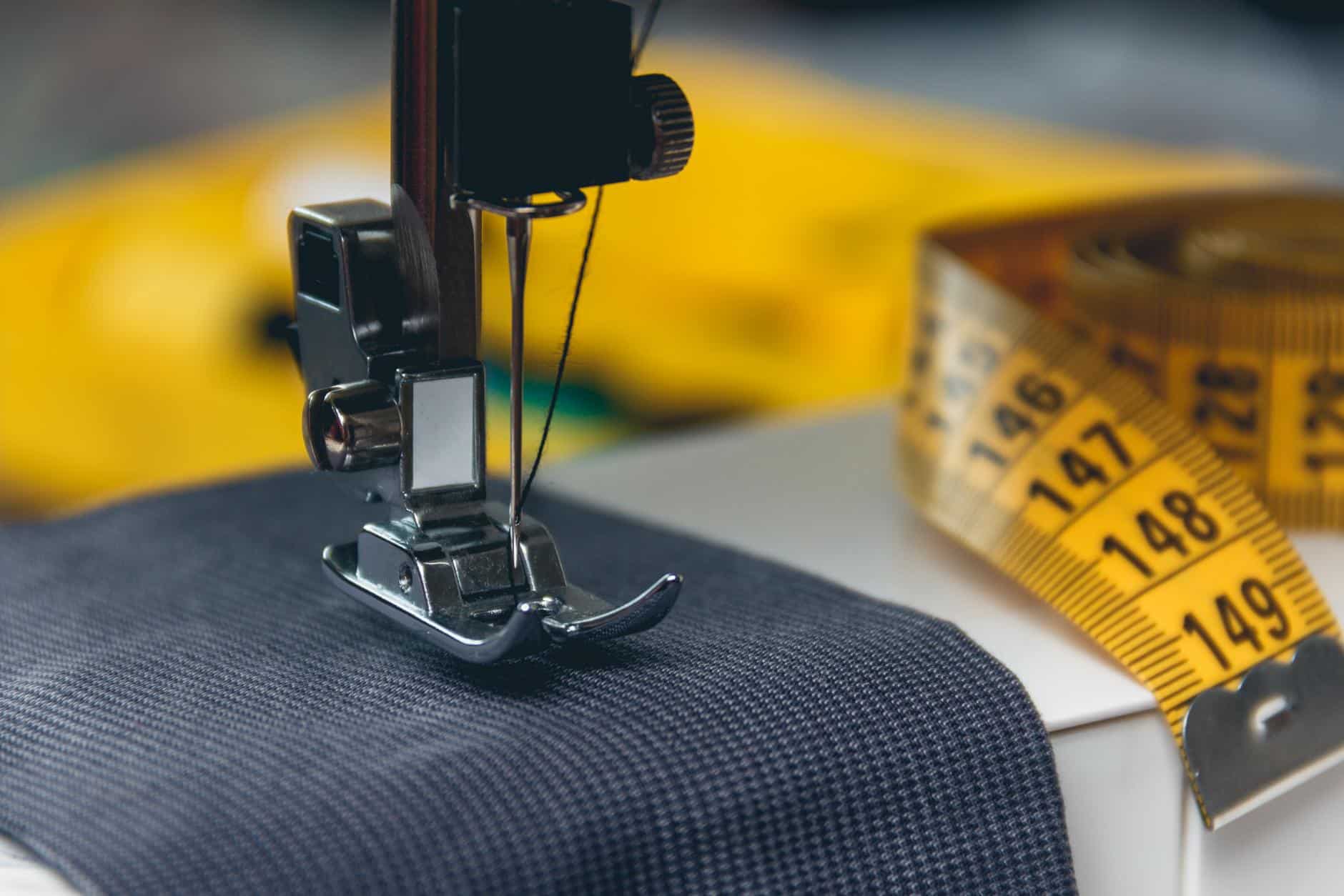
Table of Contents
- Introduction
- Why Industrial Sewing Still Matters
- Common Products Made with Industrial Sewing
- Key Equipment Used on the Floor
- Step-by-Step: What the Sewing Process Looks Like in Manufacturing
- How Industrial Sewing Supports High-Stakes Products
- Mistakes That Lead to Product Failure
- Why Contract Sewing Beats In-House for Most Companies
- Vinyl Technology – Reliable and Efficient Industrial Sewing
Industrial sewing doesn’t show up on runways. It shows up on gurneys, on helicopters, under cargo nets, across chemical spill zones. These stitches hold together restraint systems, inflatable medical devices, transport bags, and containment covers. No one buys these for looks. They’re built for load tolerance, chemical resistance, heat sealing, and precise fit.
The demands for commercial sewing services are unique. Aesthetics don’t drive the stitch pattern of, say, a fuel bladder tank. What matters is whether the seams hold up during a 10G pull test or after weeks in the sun. Manufacturing teams use industrial sewing to build products that need accuracy on every unit — not a close match, not close enough, but exactly right.
This process enables production for things that can’t fail. That’s why it’s still a critical part of aerospace, defense, medical, transportation & industrial operations… even as other methods have moved on to automation or 3D builds. Some jobs still need thread.
Our Custom Products Made with Industrial Sewing
Industrial sewing shows up in places most people never see. Think of cargo plane covers stretched over equipment, hazmat storage bags holding volatile materials, or restraint straps used in emergency response. These products can’t rely on glue, rivets, or plastic snaps alone. They need sewn seams that handle weight, pressure & repetition.
Soft-sided containers are another common one used for everything from medical transport to military deployment kits. Inflatable components sometimes start with sewn seams too, especially where high-frequency sealing follows afterward.
Most of these use heavy-duty materials like vinyl, coated polyester, nylon webbing & thick canvas. Each fabric calls for specific threads, needle gauges, and stitch settings. You won’t get away with skipping tension tests.
Customers expect sealed edges that don’t fray, seams that pass pull testing, and builds that survive cold storage or heat exposure. Industrial sewing has to meet specs every time, which means no loose threads, missed corners, or uneven seams. The stakes are too high for shortcuts.
The demilitarization protective ensemble (DPE) is the primary form of protection for workers in these processes. Over the years, numerous advancements in DPE device design have improved worker safety.
Submit A Project Request A Quote
Key Equipment Used on the Shop Floor
Industrial sewing shops don’t run on household machines. These floors are packed with specialty equipment built for speed, strength & consistency. Straight stitch machines cover most seams, but you’ll find bar tack machines nearby for reinforcement points, especially on load-bearing gear like straps or harnesses. Walking foot machines keep thick materials moving evenly without bunching. Double-needle setups create parallel seams, useful for bags, covers, or anything under tension.
Programmable sewing machines handle repeat patterns without operator fatigue. They’re helpful for logos, label attachments, or parts with dozens of stitch points in tight space.
Off the sewing line, heat cutters prevent frayed ends on webbing. Pattern cutters speed up repeat builds. Edge binders keep seams clean, especially on covers or cases that need a finished look.
Each machine needs the right thread, needle size & material tension. Sew too loose and seams break. Sew too tight and material puckers or tears. Tool choice makes or breaks the outcome.
Step-by-Step: What the Sewing Process Looks Like in Manufacturing
It starts at the dock. Rolls of fabric, spools of thread, boxes of buckles or hardware all go through inspection first. Teams check for defects, measure thickness, match colors to specs. A bad roll slows everything down later, so better to catch it early.
Once cleared, the build sheet moves to the cutting team. They prep patterns based on client drawings or digitized templates. Materials get laid flat or stacked, depending on thickness, then marked and sliced with manual or automated cutters. Labels get added here, too, for tracking.
Machine setup comes next. Operators load thread, fit the right needle, choose the right foot, and dial in tension. The wrong setting can ruin a whole batch.
Stitching depends on the product. Some need bar tacks at every stress point. Some use lap seams or box stitches. Edges get bound or heat-sealed. The goal is repeatable strength — not beauty.
Finished pieces go through quality control. Teams measure, pull test, check stitching, and verify hardware placement. Then the product either moves on to RF welding, gets packed, or heads to final assembly. Every step affects performance, especially on products that carry weight or seal in pressure.
How Industrial Sewing Supports High-Stakes Products
In aerospace or defense applications, a loose stitch can mean failure under load. Restraint harnesses, evacuation slides, containment systems, and similar products take abuse during real-world use, not just in testing. Every seam has to hold. Every strap has to resist tension, twisting, or shock.
Industrial sewing supports these builds by providing control. Operators follow exact stitch counts, thread paths, and tension settings. The goal is to meet spec and repeat it across every unit.
Sewn seams often get reinforced with RF sealing or heat welding. For example, a sewn medical bladder might be welded shut after stitching. The sewing gives structure. The sealing creates containment. One doesn’t replace the other. They work together to create gear that’s both flexible and strong, easy to handle but safe under pressure. That balance keeps it in play across so many high-stakes sectors.
Common Mistakes That Lead to Product Failure
The wrong thread can wreck the whole build. Use cotton on coated vinyl and it might rot or snap under tension. Use nylon on something stored hot and it could stretch or melt.
Inconsistent stitch length causes weak spots. Too long and the seam can pull apart. Too short and the material might bunch, tear, or crack at stress points.
Edge treatment matters too. Raw edges on heavy-use products will fray fast without binding, heat cutting, or folding.
Skipping pre-production samples leads to surprises no one wants like wrong stitch orientation or hardware placement. And without solid documentation, future runs get inconsistent. A bad sample or sloppy drawing sets the whole line up to fail.
Why Contract Sewing Beats In-House Sewing for Most Companies
Buying industrial machines, hiring operators, and training staff costs more than most realize. That’s before maintenance, floor space, or safety compliance.
Contract sewing shops already have the setup. They switch threads, patterns & materials faster, without needing new approvals every time.
Meeting inspection or certification rules also gets easier. Established manufacturers already work under those standards.
Costs stay cleaner too. You pay for finished goods, not trial and error. That makes budgeting simpler — especially on tight timelines.
Vinyl Technology – Reliable and Efficient Industrial Sewing
Vinyl Technology is a custom sewing contractor that provides industrial sewing services for OEMs, government contractors & engineering teams across sectors. We handle prototypes, limited runs, and full-scale production. Reach out to discuss your specs, timelines, and how we can support your build.
Vinyl Technology also specializes in creating other products, including brown chair cushions, space flight cargo bags, and pneumatic mattresses.
Call us at 626-443-5257 or complete a form below.
Submit A Project Request A Quote

Article Reviewed For Accuracy By: Jackie Sanchez, VP of Sales Operations
Jackie Sanchez is the VP of Sales Operations at Vinyl Technology.
Jackie became a VP in 2021 following over four years of service as our Director of Human Resources. Her leadership competencies include human resources capacity, ethical conduct, strategic thinking, decision making, and financial management.
She holds an undergraduate degree from Chapman University. Follow her on LinkedIn.