
What Makes Vinyl Technology the Best American-Made Soft Goods Manufacturer?
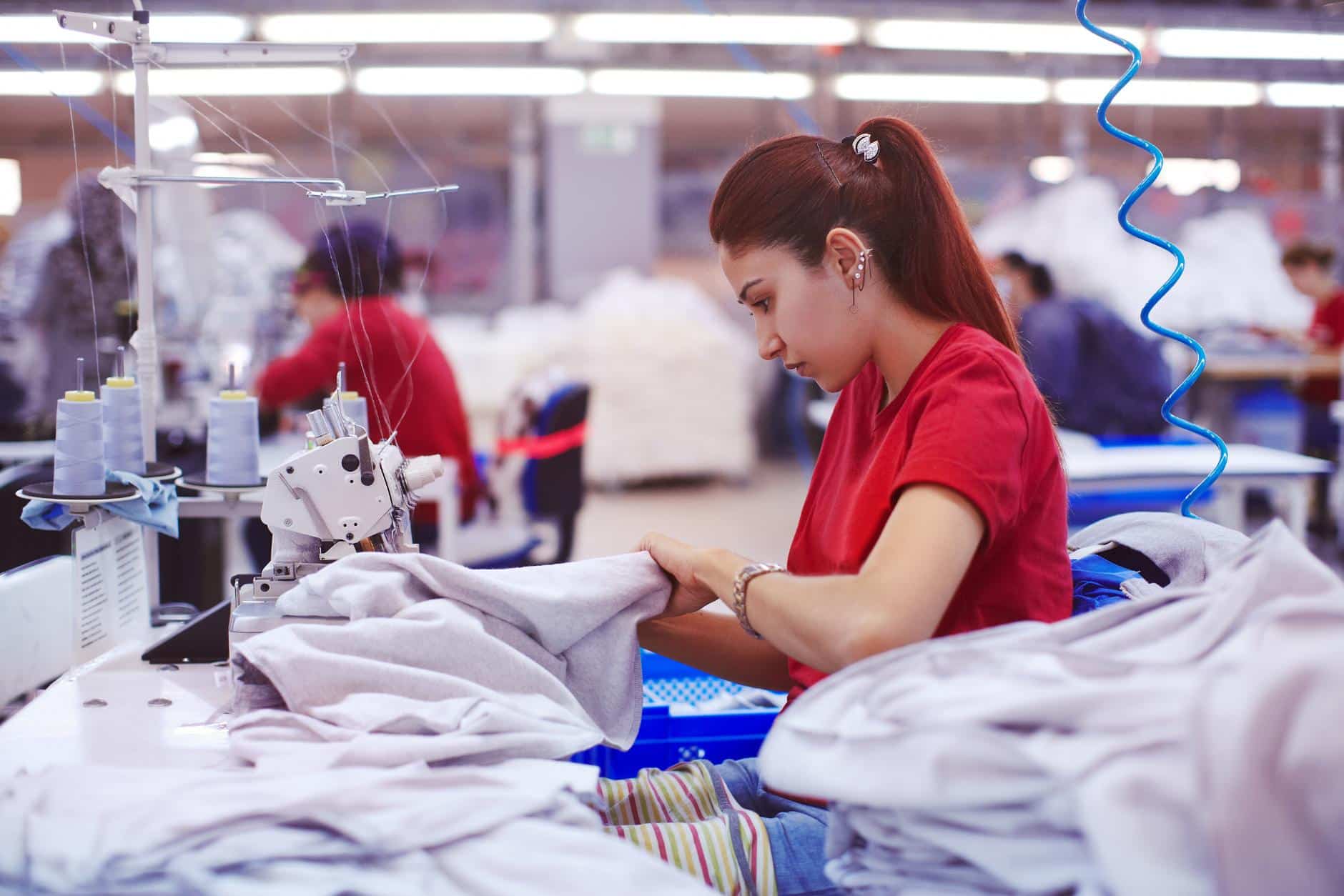
A lot of soft goods manufacturing projects start the same way. A buyer has a drawing, a material callout, and a deadline that seems tight. Then the real work begins: turning that spec into repeatable sewn seams, sealed edges, clean documentation, and a production plan that holds up.
We’ve seen buyers get burned by two things more than anything else: samples that look great, then production may change, and the seam quality deteriorates, or paperwork isn’t what it needs to be.
Vinyl Technology solves all of this as one of the best American-made soft goods manufacturers.
Start a Project Request A Quote
Table of Contents
- Introduction
- The Real Question Buyers Ask After The First Call
- “American-Made” Means Traceability, Capacity, And Fast Answers
- RF Welding That Creates Seams Sewing Cannot Touch
- Industrial Sewing That Survives Tension, Abrasion, And Field Use
- Low-Tooling Builds That Move Faster Than Traditional Fabrication
- Quality Control That Matches Critical Applications
- How Defense Manufacturing Heritage Shapes Soft Goods Expectations
- How A U.S. Soft Goods Shop Puts All This Into Daily Production
- Bring Your Spec, We’ll Build The Welded And Sewn Soft Goods Around It
The Real Question Buyers Ask After The First Call
After the first call, buyers start grading the shop on real-world things: how fast you can get a sample on the table, how consistent the next run looks, how much risk hides in the process, etc. Price still counts, obviously, but lead time, repeatability, and documentation usually decide who wins.
“American-Made” Means Traceability, Capacity, And Fast Answers
A procurement manager usually asks for material origin paperwork for one reason: their customer, insurer, or contract language requires proof of where key inputs came from. A quality lead asks about lot tracking because a bad batch of coated fabric can turn into a recall or a field failure. An engineer asks about change control since one small revision to a seam allowance or weld width can ripple through patterns, fixtures, and inspection steps. Someone also needs to sign off on the spec: ask who approves revisions and who owns the final traveler on the floor.
The best American-made soft goods manufacturer helps during revisions. Teams can turn samples quicker, catch issues earlier, and rerun a corrected build without a long back-and-forth across time zones. Practical tip for customers looking for an American-made soft goods manufacturer with contract sewing: ask how the shop handles a Friday drawing revision and whether production pauses, reworks, or runs a controlled split lot.
RF Welding That Creates Seams Sewing Can’t Touch
RF sealing, also called dielectric welding, uses radio frequency energy to bond certain plastics and coated fabrics where they overlap. The material heats from the inside out under pressure; the layers fuse, and you get a sealed joint that holds air or liquid. Think of it like a controlled “melt and press” that happens in one repeatable footprint, with crisp edges.
RF welding shows off on parts that demand containment and consistency: things like inflatable bladders, fluid reservoirs, medical bags, protective covers with sealed edges, and any product where a needle hole would cause a leak. Don’t be mistaken: sewing still has a role on many builds, but RF handles the seal line.
Buyers usually run a quick checklist before they greenlight tooling. Start with weldability screening for the exact film or coated fabric lot. Ask for sample coupons that match the real stack-up and seam width. Require peel or tear checks that match the failure mode you care about. Set visual standards for edge definition, burn marks, or squeeze-out. In quotes, expect terms like dielectric welding, RF sealing, heat sealing, and tooling plates.
Industrial Sewing & Soft Goods Manufacturing That Survives Tension, Abrasion, And Field Use
Industrial sewing is production-speed stitching with controls that keep seams consistent from the first unit to the five-hundredth. Shops run high stitch rates, heavier thread systems, measured seam allowances, and repeatable tension settings that match the fabric stack. Operators also need guidance that holds up: stitch length, needle size, presser foot choice, and how the seam crosses webbing, foam, or coated layers.
Failures start in predictable spots. Needle heat can glaze some coatings and weaken the thread path. Thickness transitions can cause skipped stitches or a loose top thread that looks fine until someone loads the part. Coated fabrics can creep under the foot and shift the seam allowance. Curves can pucker, then the seam line wanders.
A buyer asks pointed questions for a reason: they want proof the shop understands the load path. Ask what stitch type fits the load: lockstitch, chainstitch, coverstitch. Ask what needle system and thread spec the shop runs on that material. Ask whether the pattern includes bar-tacks, reinforcement patches, or both.
Low-Tooling Builds That Move Faster Than Traditional Fabrication
“Little or no tooling” usually means the shop relies on patterns, fixtures, and adjustable welding setups instead of expensive hard tools. Purchasers care because it cuts upfront cost, speeds changeovers, and makes revisions less painful. A project can move forward with a pilot run, then the team can tighten tolerances after real parts hit the bench.
You’ll see it in small pattern adjustments, a weld die tweak to sharpen an edge, a fixture update that holds a stack square, or a short run that validates handling before full production. One buyer move saves days: send the BOM, the drawing, and use-case notes in one package.
Quality Control That Matches Critical Applications
Good QA is consistent and constant. A quality manager checks incoming rolls for the right material, lot numbers, coating condition, thickness, and obvious defects like creases or pinholes. On the floor, teams inspect seams during the build, not at the end, so a tension drift or seam allowance slip gets caught early. Final inspection covers dimensions, hardware placement, label requirements, and documented test results that match the spec.
RF work needs its own checks. A test plan calls out leak testing with air or liquid, seam peel targets, and appearance standards for edge definition, scorch, or squeeze-out. Sewing checks look different: seam allowance gauges, stitch density verification, and pull testing where the seam carries load. The buyer question that cuts through the sales talk: “Show a real inspection record from a similar product type.”
How Defense Manufacturing Heritage Shapes Soft Goods Expectations
Defense programs trained buyers to look at soft goods like engineered components, not “sewn items.” Parachutes, aerial delivery containers, inflatable equipment, and protective gear all run on repeatable build steps and records that stand up to audits. A rigger or program quality lead wants traceability for fabric lots, webbing, thread, and hardware because a single change can shift strength or seam performance.
Sourcing rules show up fast. The Berry Amendment pushes domestic sourcing for certain textiles and apparel-related items tied to DoD procurement, so teams often vet where materials come from before anyone cuts a panel. That changes project flow: supplier qualification starts early, material substitutions go through review, lead times get planned around compliant fabrics, and paperwork trails stay clean from sampling through production. Some teams learn this lesson the hard way, once.
How the Best American-Made Soft Goods Manufacturer Puts All This Into Daily Production
A good shop rhythm is simple and predictable: engineering reviews the spec, the team builds samples, and first-article sign-off locks the process before volume work starts. Production runs under controlled steps with inspection records tied to material lots. The best part for buyers: fast answers. Shops give quick feedback on weldability, sewability, pattern tweaks, and timelines that match real capacity, not wishful calendars.
Bring Your Spec, We’ll Build The Welded And Sewn Soft Goods Around It
At Vinyl Technology, we manufacture American-made soft goods with RF welding, RF sealing, and industrial sewing for business and organizational buyers who need safe, reliable builds. We take on contract manufacturing work, from prototypes and pilot runs to repeat production that stays consistent across lots. We do B2B manufacturing only. We do retail sales of finished products.
Call us at 626-443-5257 or request a quote.

Article Reviewed For Accuracy By: Jackie Sanchez, VP of Sales Operations
Jackie Sanchez is the VP of Sales Operations at Vinyl Technology.
Jackie became a VP in 2021 following over four years of service as our Director of Human Resources. Her leadership competencies include human resources capacity, ethical conduct, strategic thinking, decision making, and financial management.
She holds an undergraduate degree from Chapman University. Follow her on LinkedIn.