
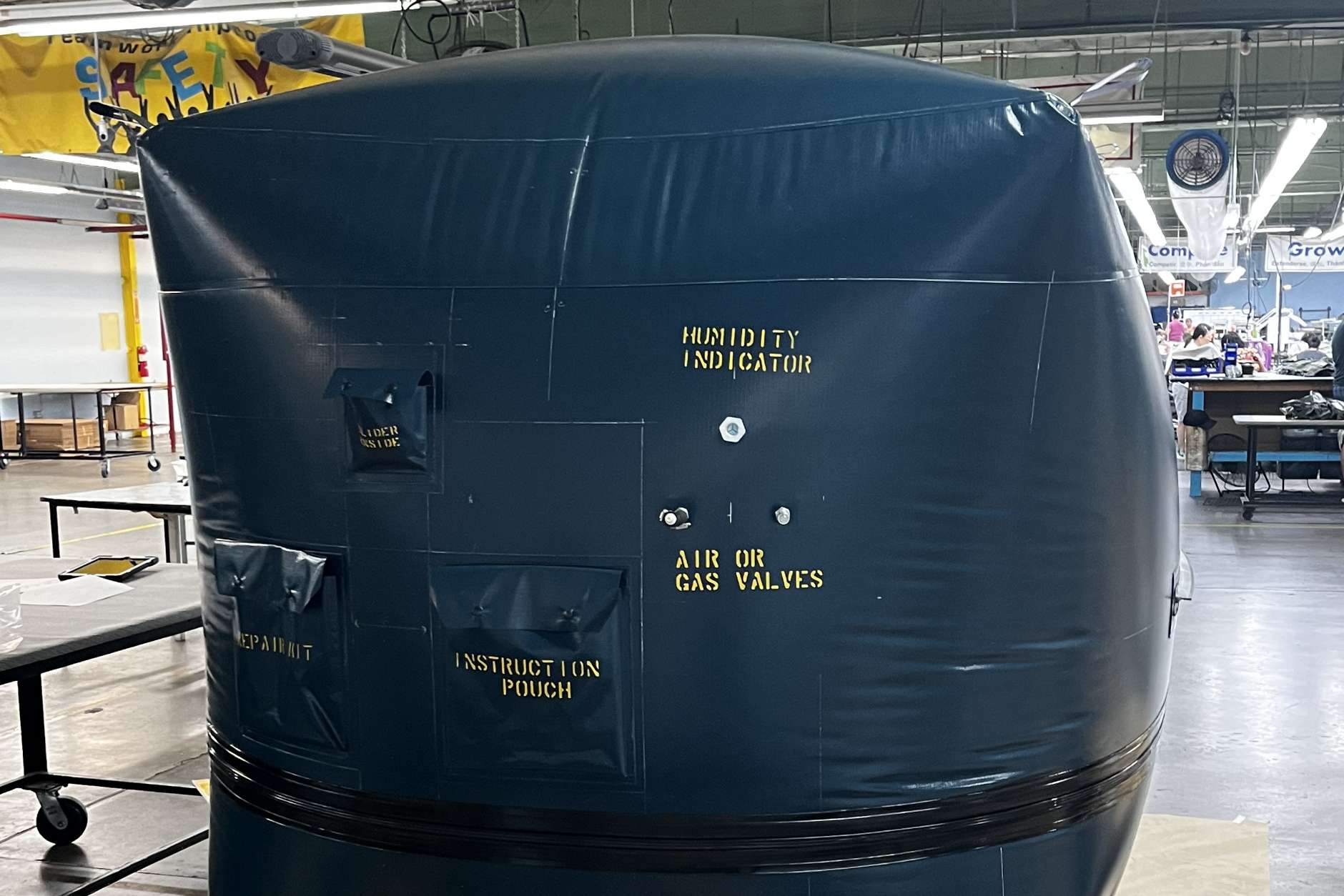
The Manufacturing Choices That Extend the Working Life of Heavy-Duty Industrial Covers
Learn how material selection, RF-welded seams, and custom fit extend the working life of heavy-duty industrial covers built for demanding environments.
Read More
What is Laminated Fabric Made Of?
Laminated fabric is a versatile material that can be used for a variety of purposes. Fabric lamination is a core process in soft goods manufacturing. It’s strong, water-resistant, chemical-resistant, and durable, making it a great choice for many different applications. Vinyl Technology is a leader in custom American-made, Berry-compliant soft goods with materials including laminated […]
Read More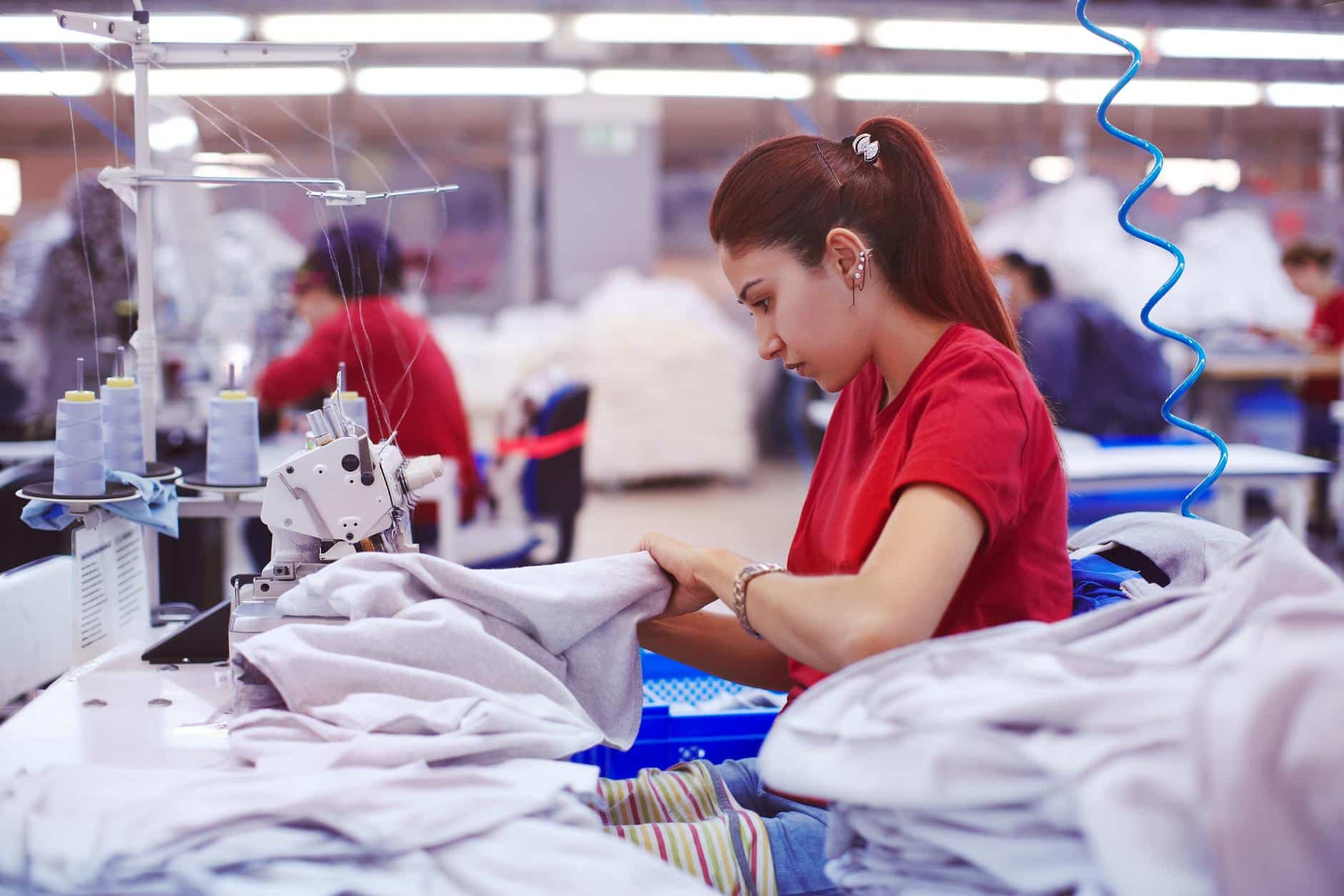
What Makes Vinyl Technology the Best American-Made Soft Goods Manufacturer?
American-made soft goods guide: RF welding, industrial sewing, QC, and traceability tips for buyers sourcing contract manufacturers.
Read More
What Government Agencies Should Know About Outsourcing Soft Goods Manufacturing
Table of Contents Introduction What Counts in Soft Goods Manufacturing The Certification Stack That an Agency Should Verify Where Tooling Costs Disappear Proving Reliability Before Gear Reaches the Field Vetting a Manufacturer How Vinyl Technology Gets It Right Key Takeaways Program offices reach a familiar decision point on soft goods manufacturing: set up an in-house […]
Read More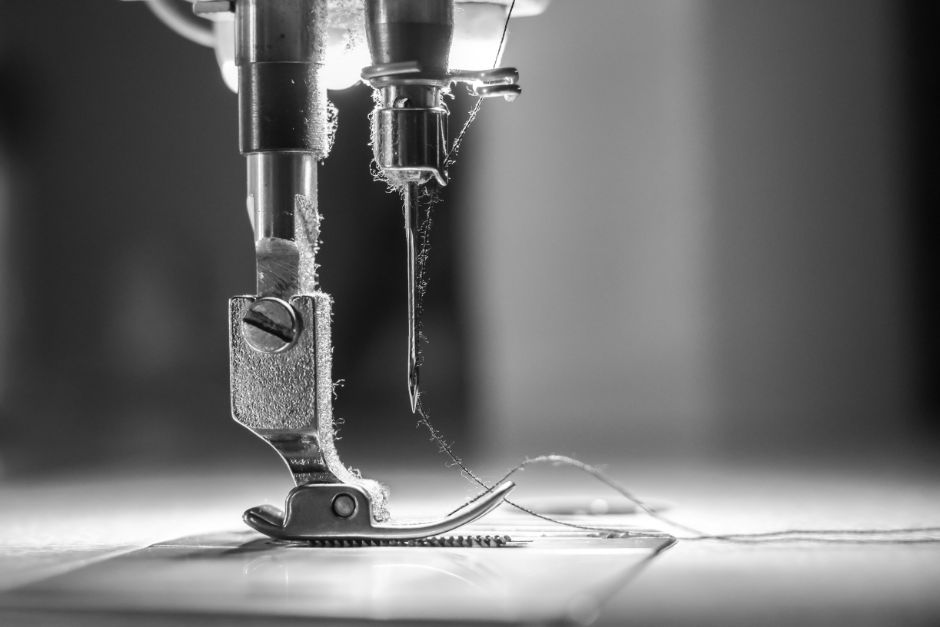
An Overview of Industrial Sewing Techniques
Table of Contents Introduction Lock Stitch Industrial Sewing Techniques Chain Stitch Techniques Overlock Stitch Techniques Cover Stitch Industrial Sewing Techniques Other Industrial Sewing Techniques Material Selection for Industrial Sewing Techniques Vinyl Technology Can Help Technical sewing gets specific pretty quickly. A seam that works well on a light textile may fail on heavy vinyl after […]
Read More
The Top 5 Uses for Hazmat Suits
Hazardous materials suits have one use: to keep the person wearing them alive. Anything less than that is simply unacceptable.
Read More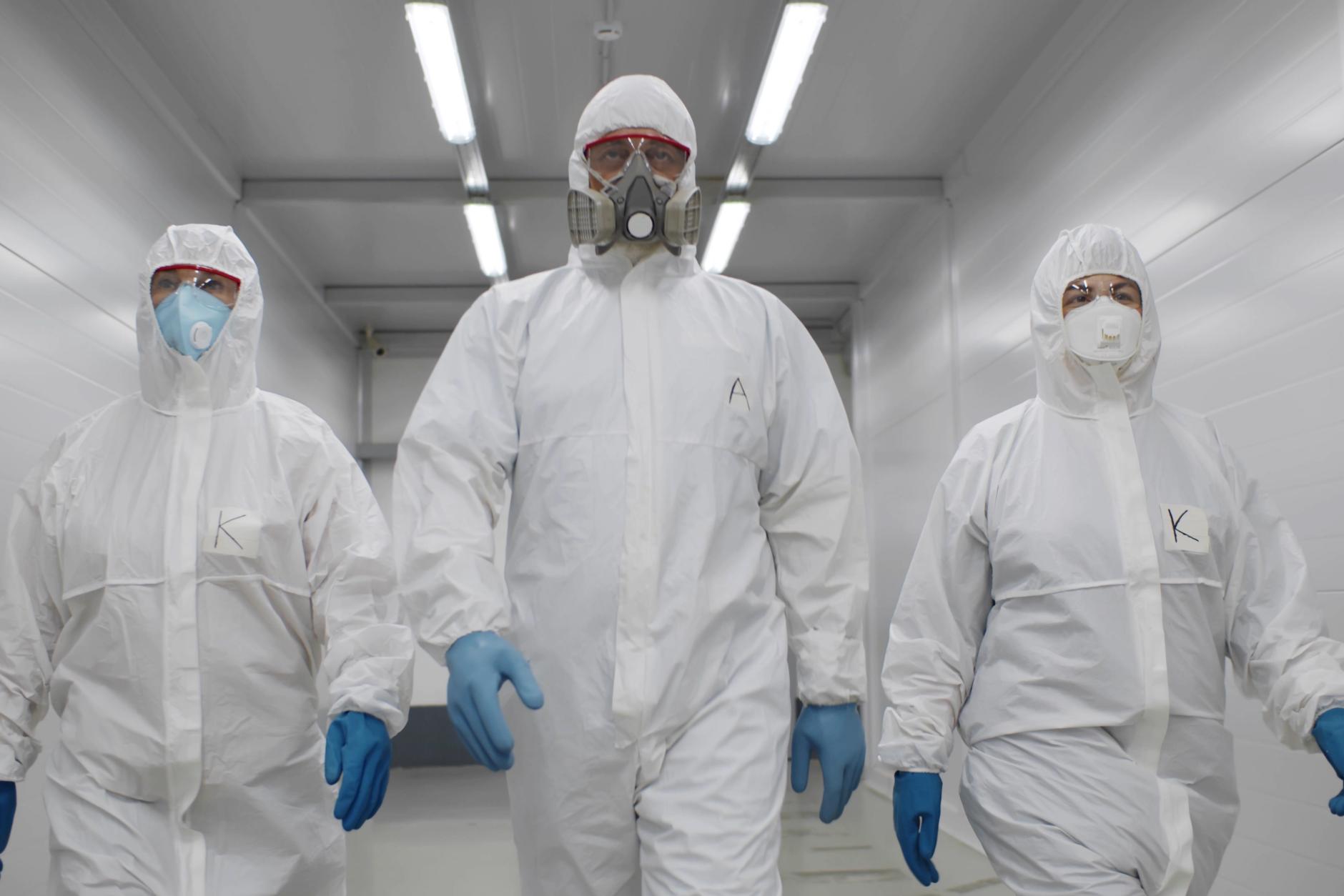
Why All Government Manufacturing Companies Are Simply Not the Same
Not all government manufacturers meet the same standards. Learn what sets top-tier federal suppliers apart from the rest.
Read More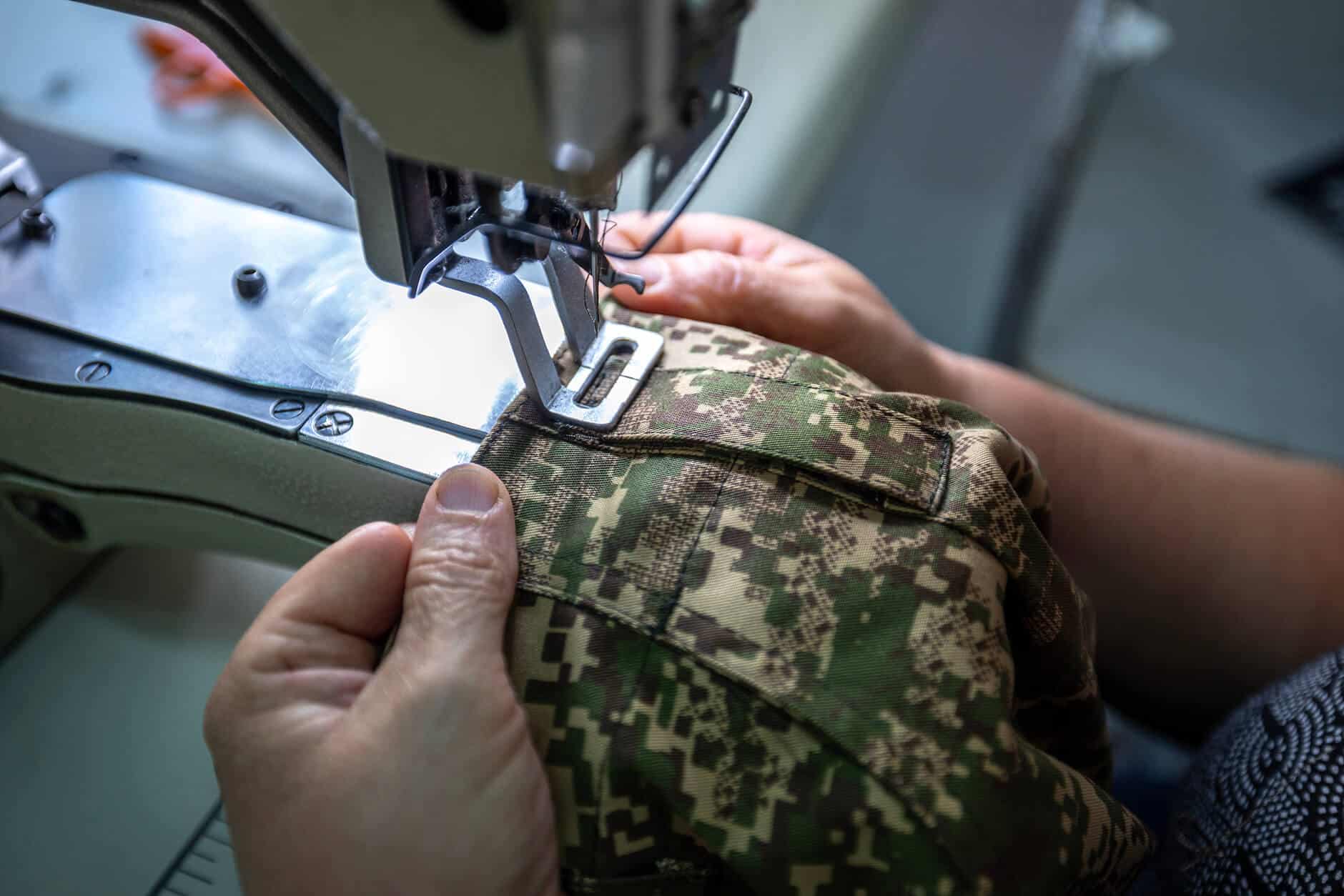
Why Industrial Sewing and RF Sealing Are Essential for Reliable Mil-Spec Gear
Reliable mil-spec gear comes down to industrial sewing and RF welding. Learn how thread choice, stitch type, and welded seams keep gear field-ready.
Read More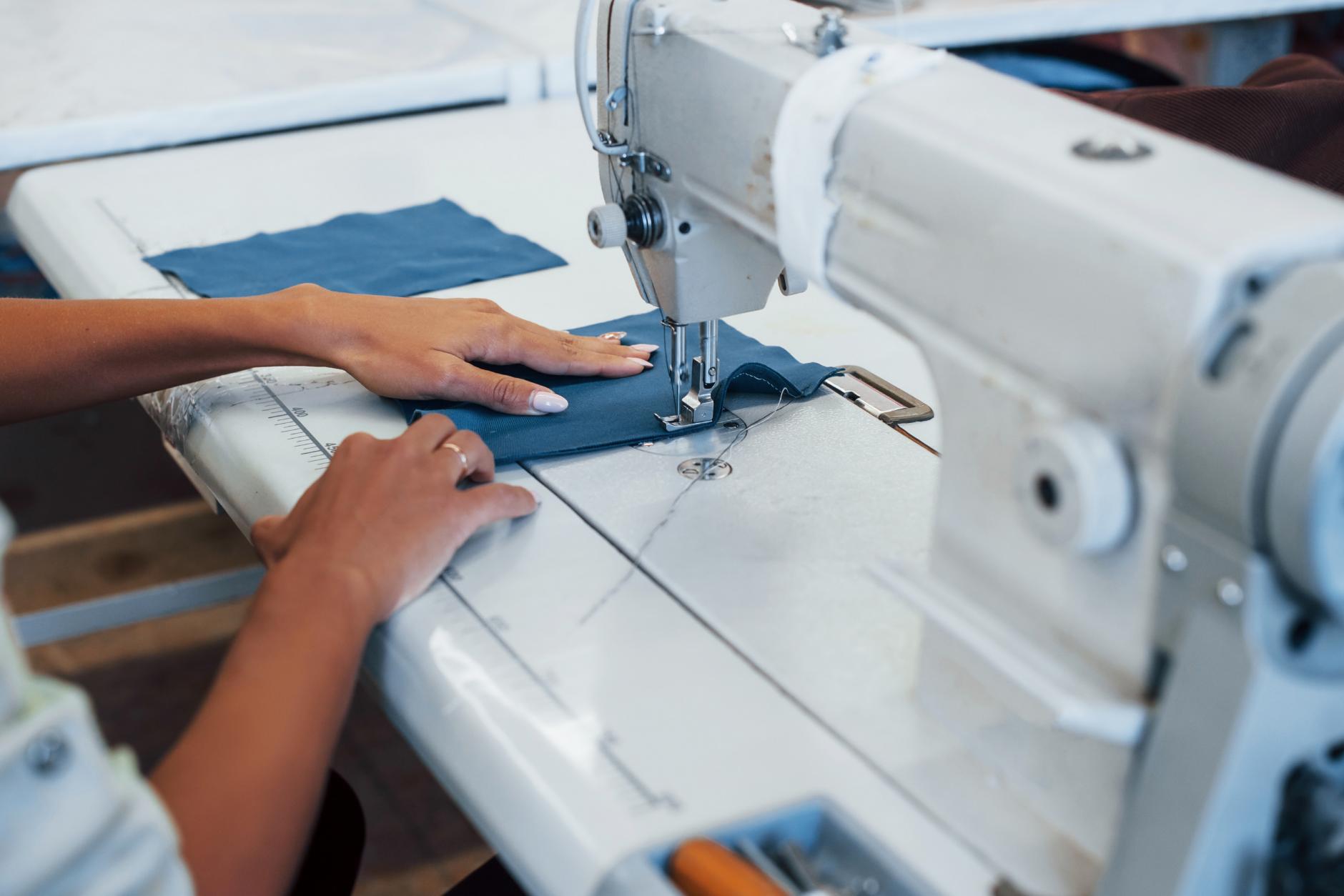
Choosing the Right Custom Sewing Services & Contractor
Choose the right custom sewing contractor with proven experience, equipment, and testing for aerospace, defense, medical & industrial needs.
Read More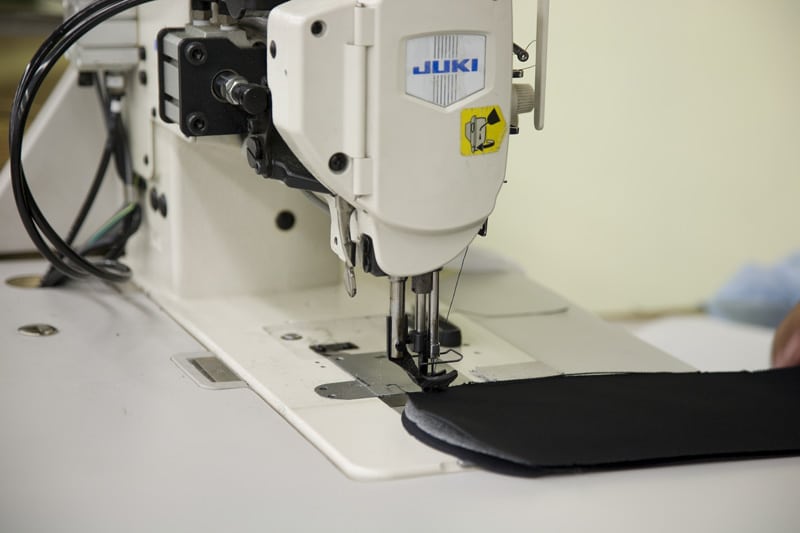
How Is Industrial Sewing Different From Other Kinds of Sewing?
What is the Difference Between Industrial Sewing & Traditional Sewing? Industrial sewing is the process of attaching two pieces of specialty film or fabric by stitching them together using specialized industrial sewing machines. The main difference between industrial sewing and other kinds of sewing is that the industrial kind rarely involves clothing, generally being focused […]
Read More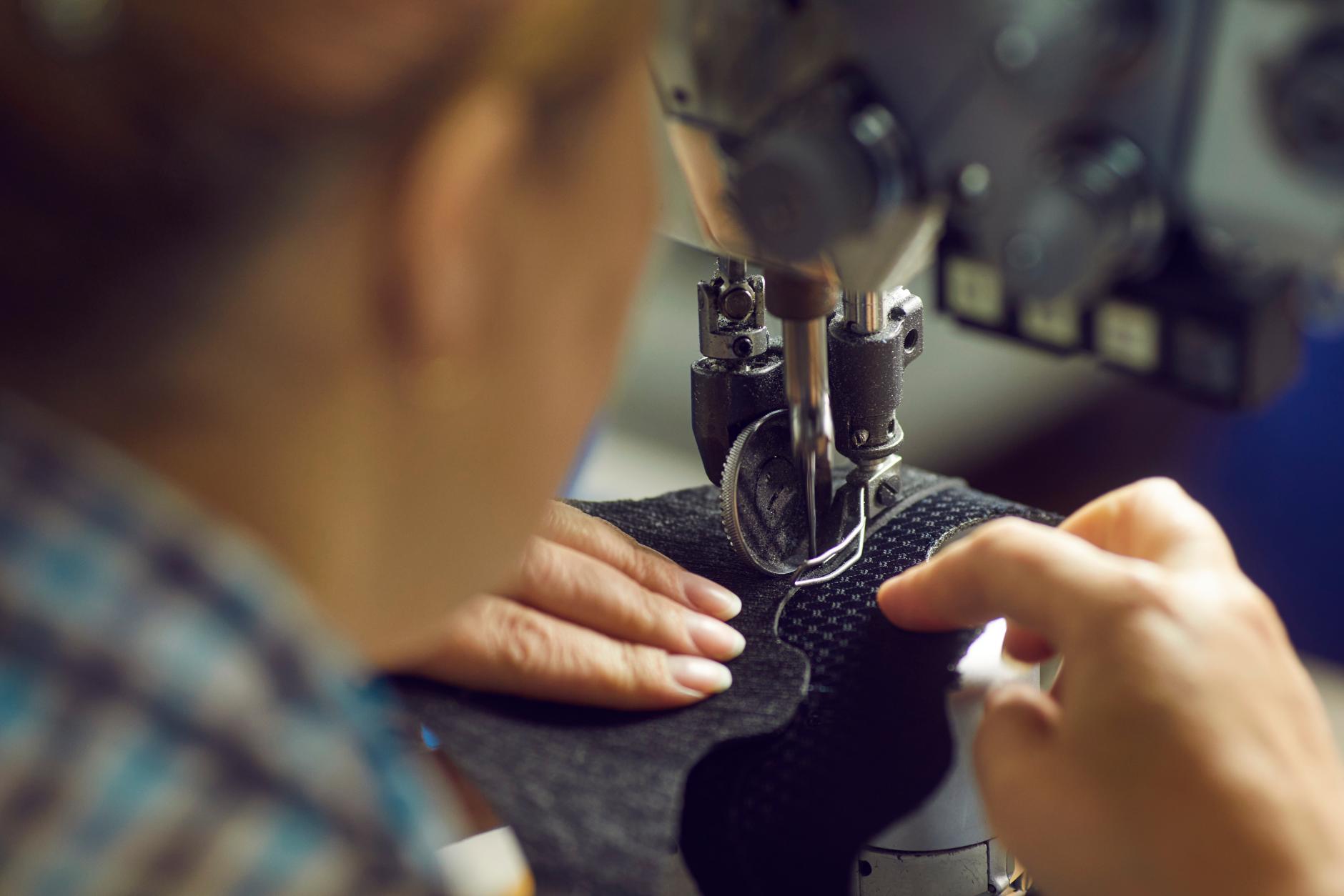
The Benefits of Contract Manufacturing Services for Businesses
Learn how contract manufacturing helps businesses cut costs, scale faster, and build complex products without owning a full facility.
Read More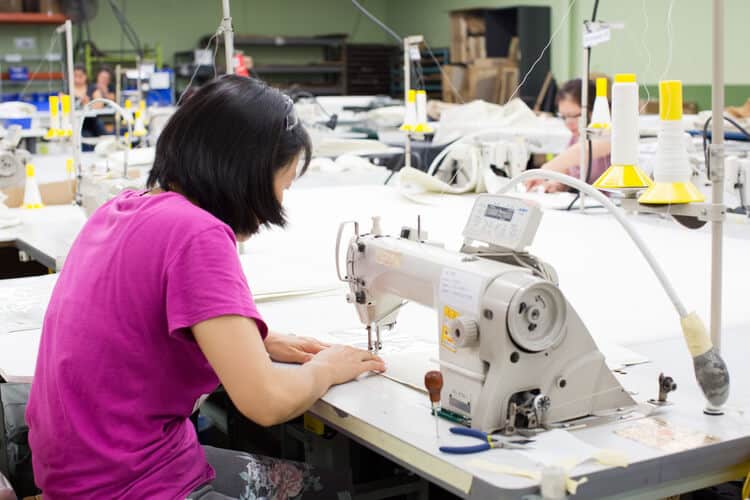
What is Textile Engineering and How Does It Work?
Industrial sewing and heat sealing are directly adjacent to and often rely on the hard work of those who specialize in the flexible materials and textile engineering used in the many products produced on Vinyl Technology’s manufacturing floor. The way we know what works across so many applications is not through trial and error, but […]
Read More