

Vinyl Tech’s Commitment to Excellence as an Anti-G Suit Manufacturer
Vinyl Technology is an anti-G suit manufacturer with 40+ years of experience supplying high-G garments for aerospace and defense programs.
Read More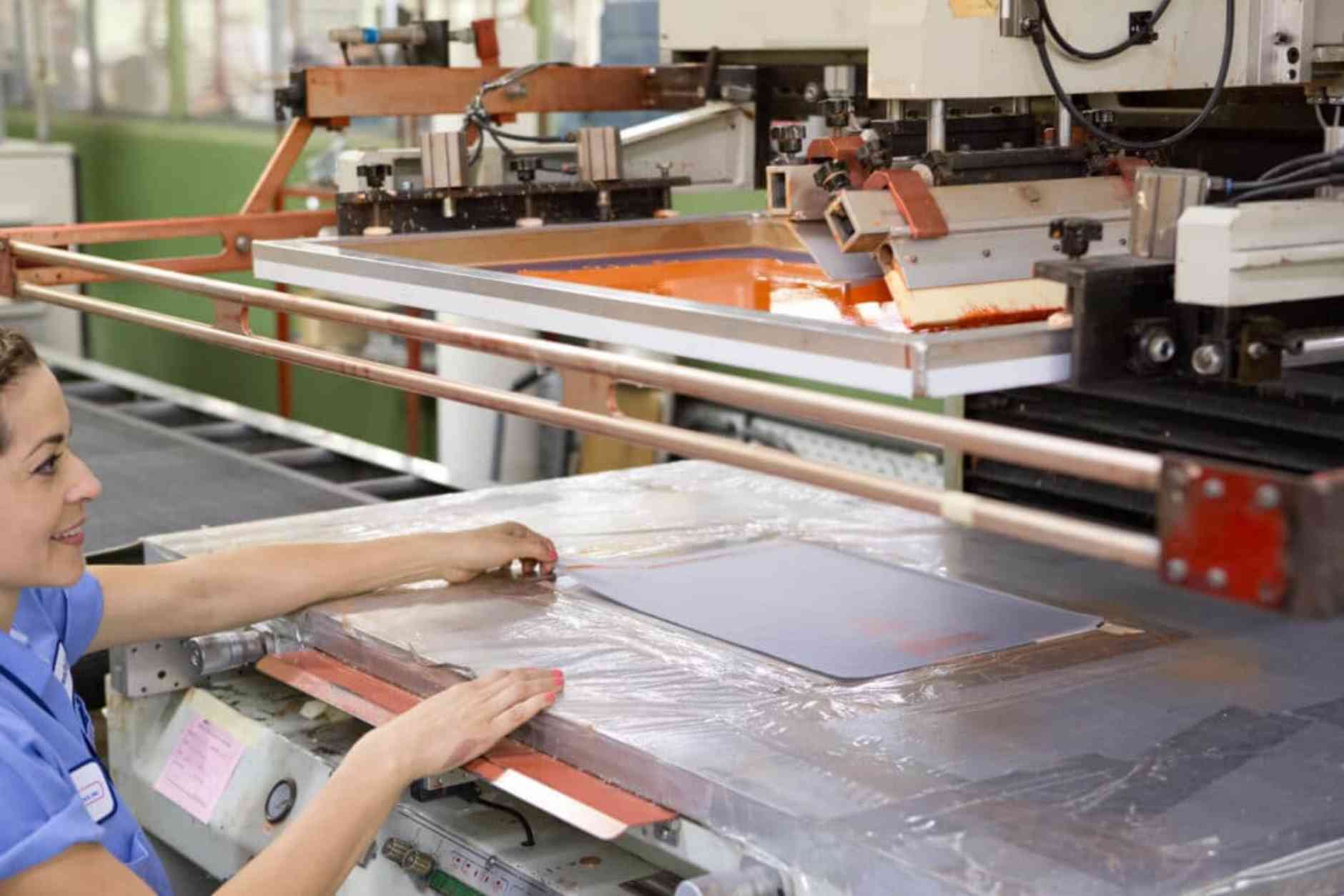
Understanding RF Welding Fabric and Material in Manufacturing
Table of Contents Introduction to Weldability in Industrial Manufacturing Fundamentals of the Right RF Welding Fabric Factors Influencing Weldability in Different RF Welding Fabrics Challenges and Solutions in Diverse RF Welding Fabrics and Materials Exploring Materials and Their Weldability in RF Welding Trust Vinyl Technology For Your Industrial Sewing Needs Key Takeaways Weldability is a […]
Read More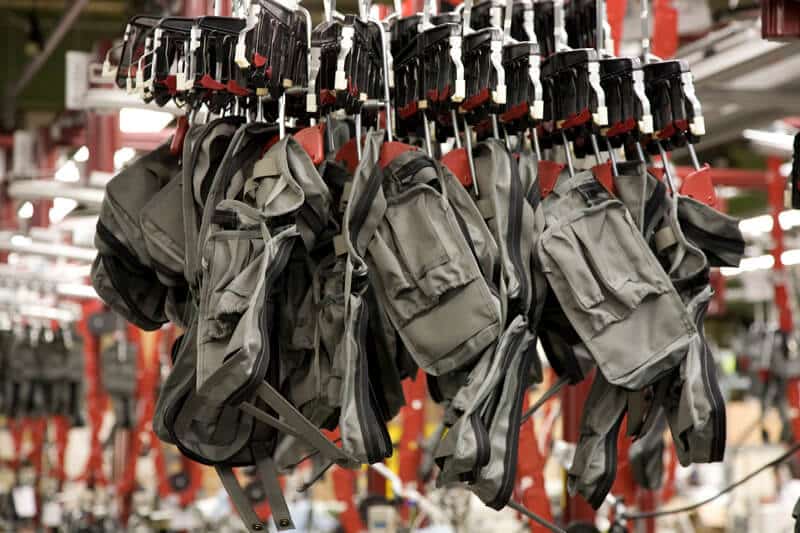
5 Facts About Being Berry Amendment Compliant & American Custom Manufacturing
Learn about what it means to be Berry Amendment-Compliant, and what products Vinyl Technology American custom manufactures to follow.
Read More
The Precision of Submarine Escape Valve Manufacturing
Table of Contents Introduction Submarine Escape Valve Components Materials and Construction of Submarine Escape Valves Design and Engineering of Submarine Escape Valves Testing and Certification of Submarine Escape Valves Safety and Reliability Manufacturing Challenges and Innovations Conclusion Submarine escape valves are specialized components designed to protect lives in some of the most dangerous environments on […]
Read More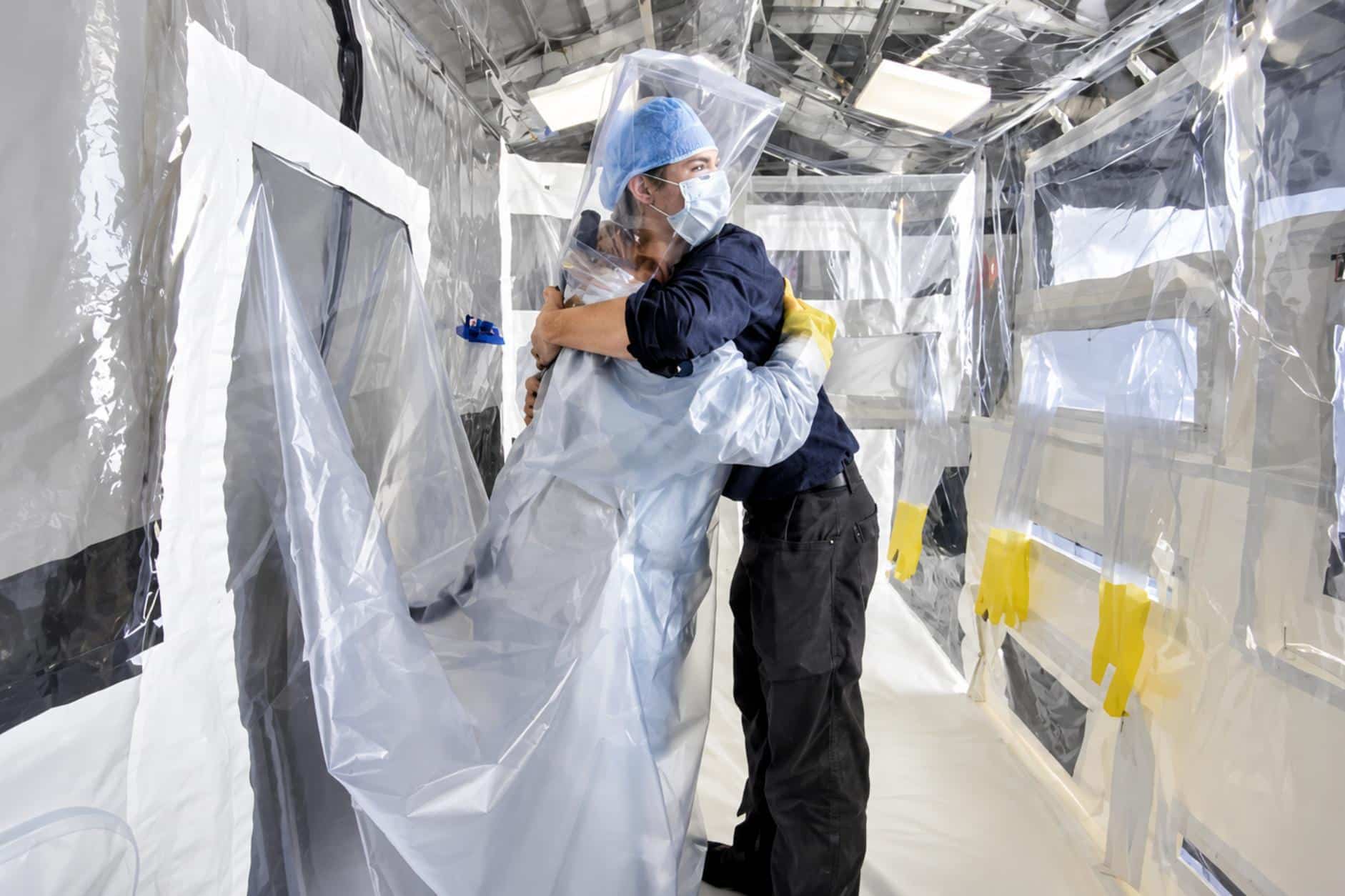
The Real Production Benefits of Working With a Contract Manufacturer in Medical Manufacturing
Discover how medical contract manufacturers cut lead times, lower costs, and meet FDA and ISO standards for custom medical devices and soft goods.
Read More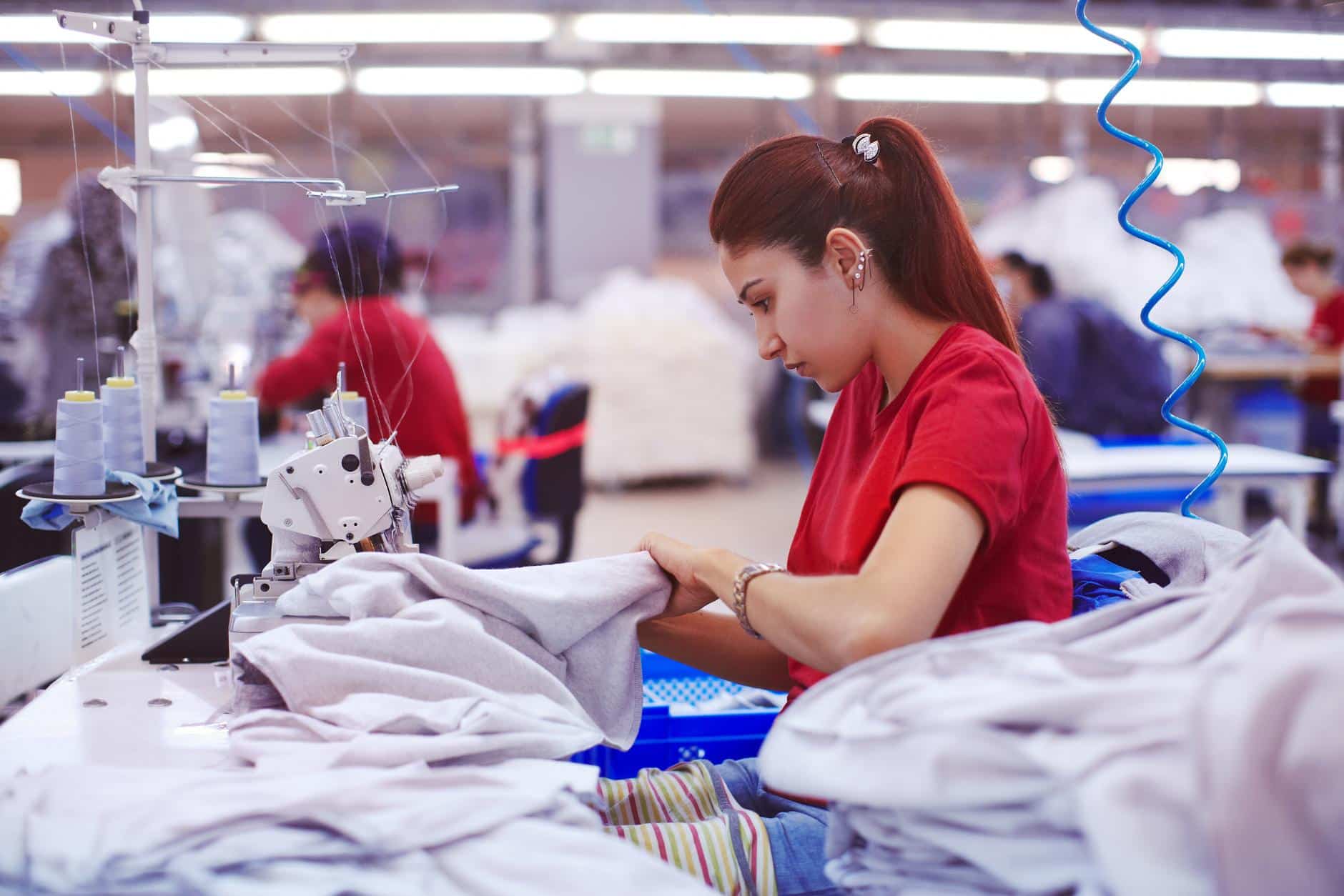
What Makes Vinyl Technology the Best American-Made Soft Goods Manufacturer?
American-made soft goods guide: RF welding, industrial sewing, QC, and traceability tips for buyers sourcing contract manufacturers.
Read More
How Does a Fuel Tank Bladder Work?
A fuel bladder tank is a type of membrane that is used to hold hazardous liquids of all kinds, but especially fuel. These membranes are typically made of two layers of thermoplastic material. The membrane is made using a thermal-plastic welding process. Sometimes called an oil tanker bladder, it functions as a separator in the […]
Read More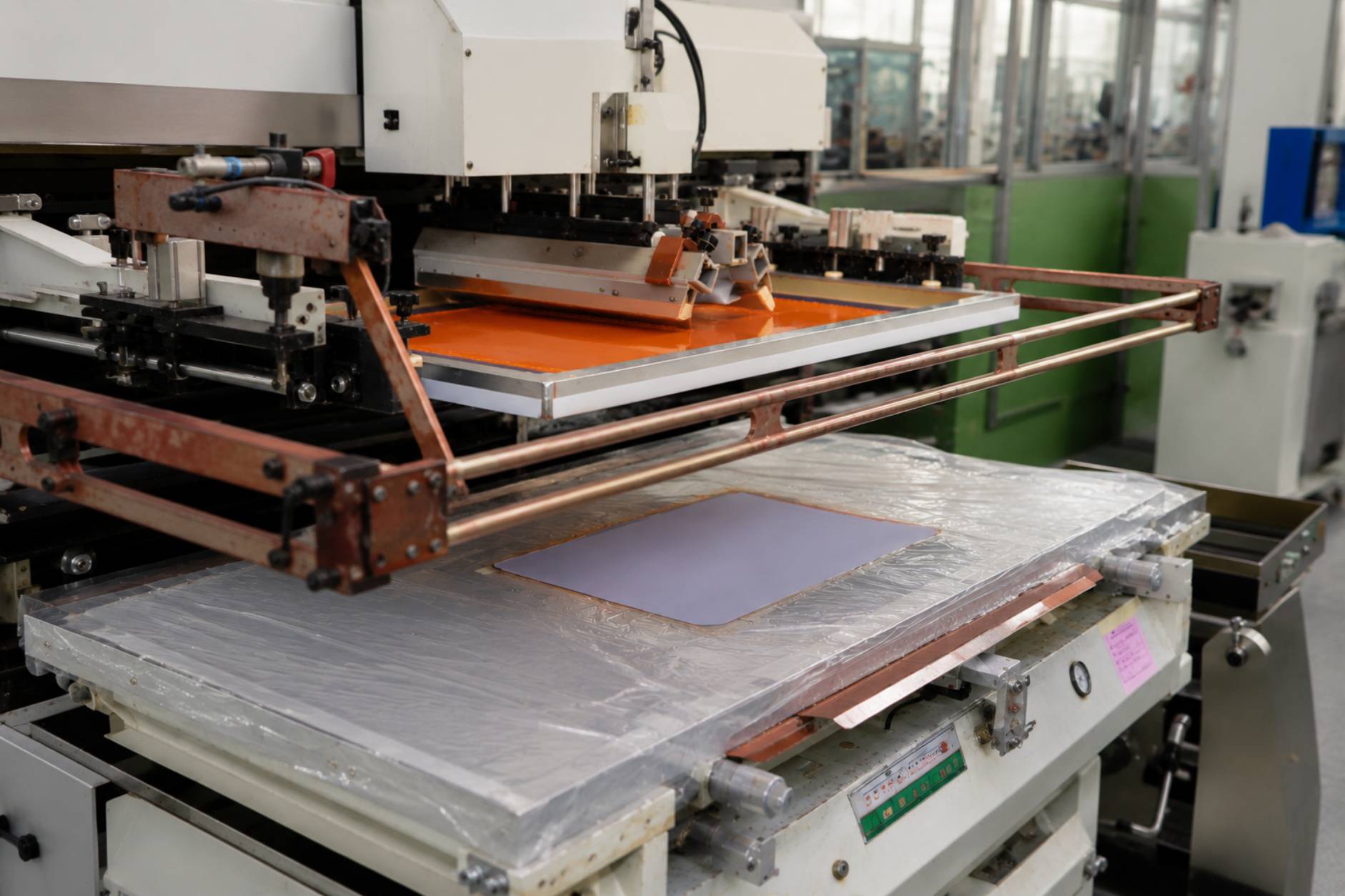
Industrial Manufacturing Challenges and How RF Welding Can Help
Vinyl Technology uses RF welding to fix manufacturing challenges: hermetic seals, stronger joints, no adhesives & lower tooling costs on your build.
Read More
Fuel Bladder vs Hard Tank for Your Next Product Design
The number one reason to use a fuel bladder vs. tank is the ability to move them from place to place easily and efficiently.
Read More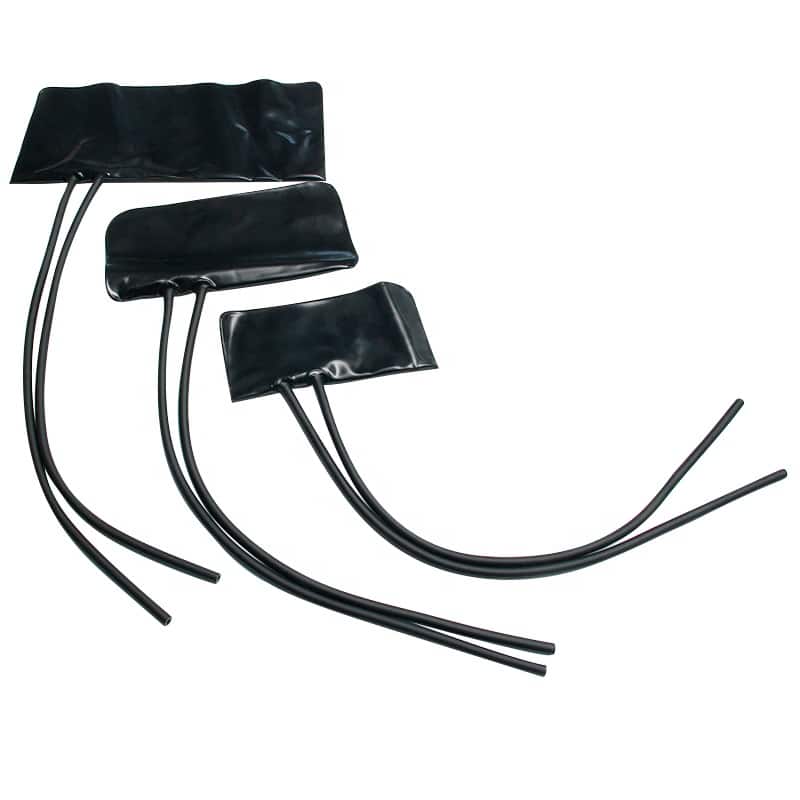
What is an Air Wedge and What is it Used For?
An air wedge is an inflatable, pump-wedge-shaped bag made of vinyl, nylon, and other strong, flexible textiles. Uses include a car air wedge.
Read More
What Government Agencies Should Know About Outsourcing Soft Goods Manufacturing
Table of Contents Introduction What Counts in Soft Goods Manufacturing The Certification Stack That an Agency Should Verify Where Tooling Costs Disappear Proving Reliability Before Gear Reaches the Field Vetting a Manufacturer How Vinyl Technology Gets It Right Key Takeaways Program offices reach a familiar decision point on soft goods manufacturing: set up an in-house […]
Read More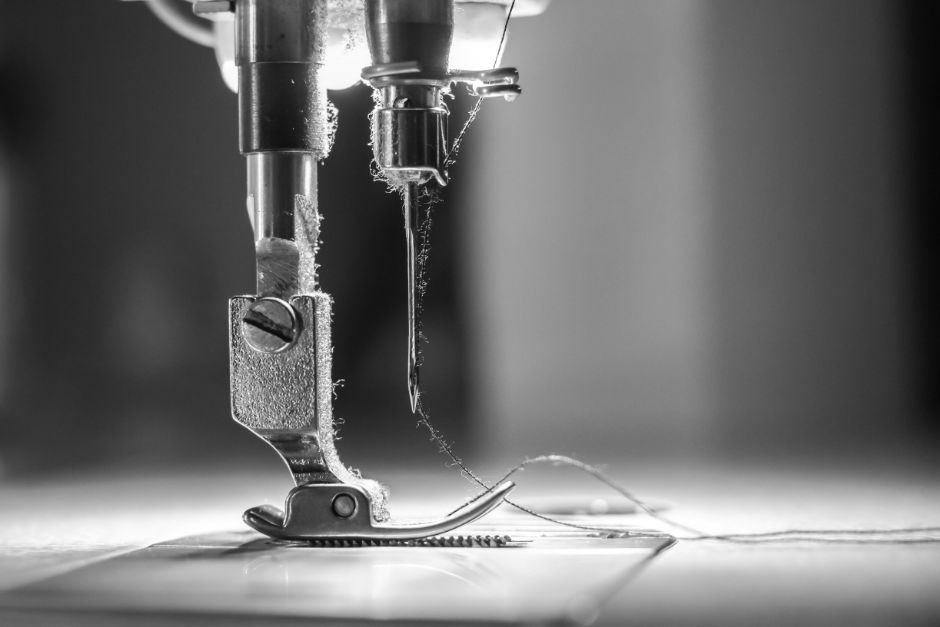
An Overview of Industrial Sewing Techniques
Table of Contents Introduction Lock Stitch Industrial Sewing Techniques Chain Stitch Techniques Overlock Stitch Techniques Cover Stitch Industrial Sewing Techniques Other Industrial Sewing Techniques Material Selection for Industrial Sewing Techniques Vinyl Technology Can Help Technical sewing gets specific pretty quickly. A seam that works well on a light textile may fail on heavy vinyl after […]
Read More